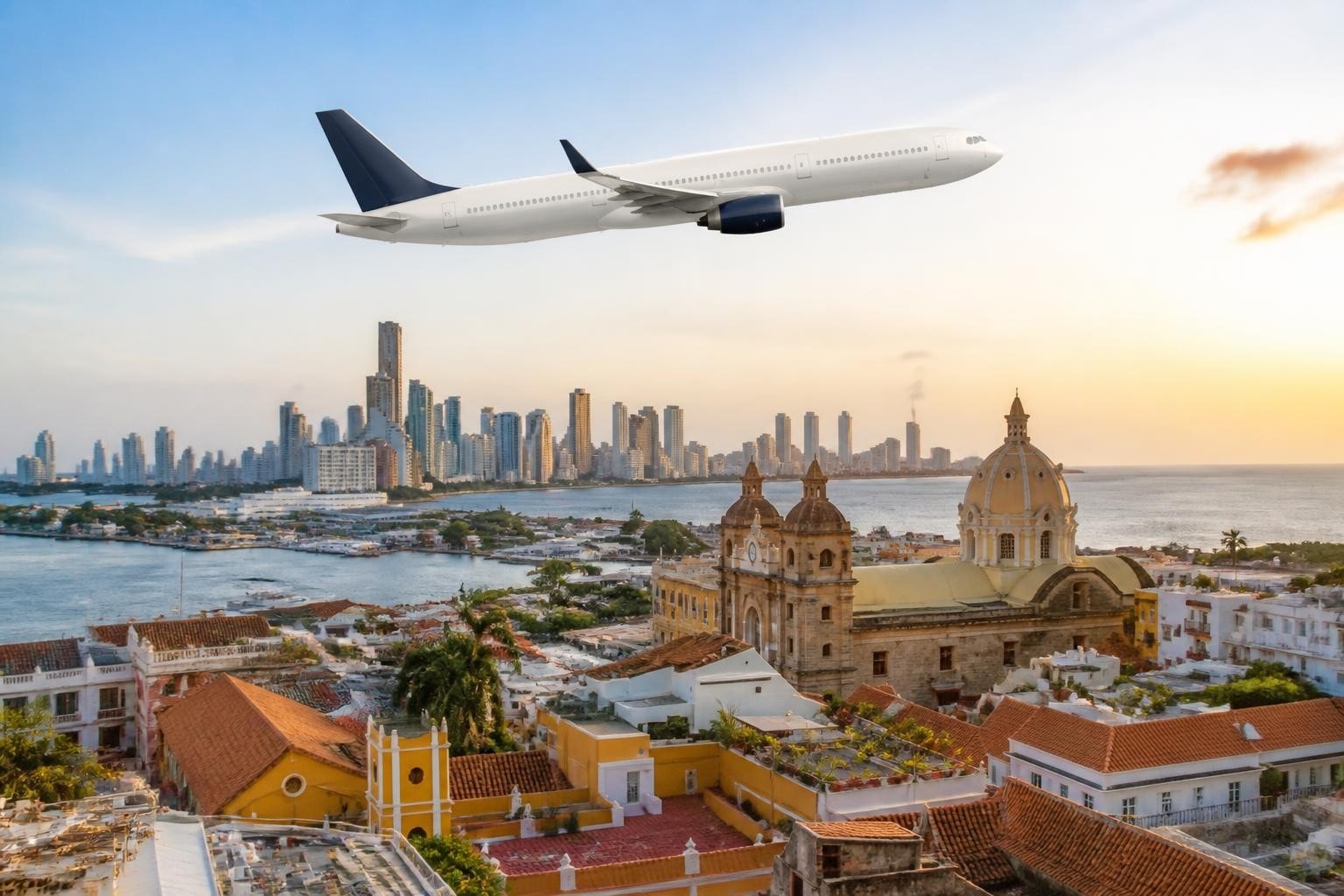
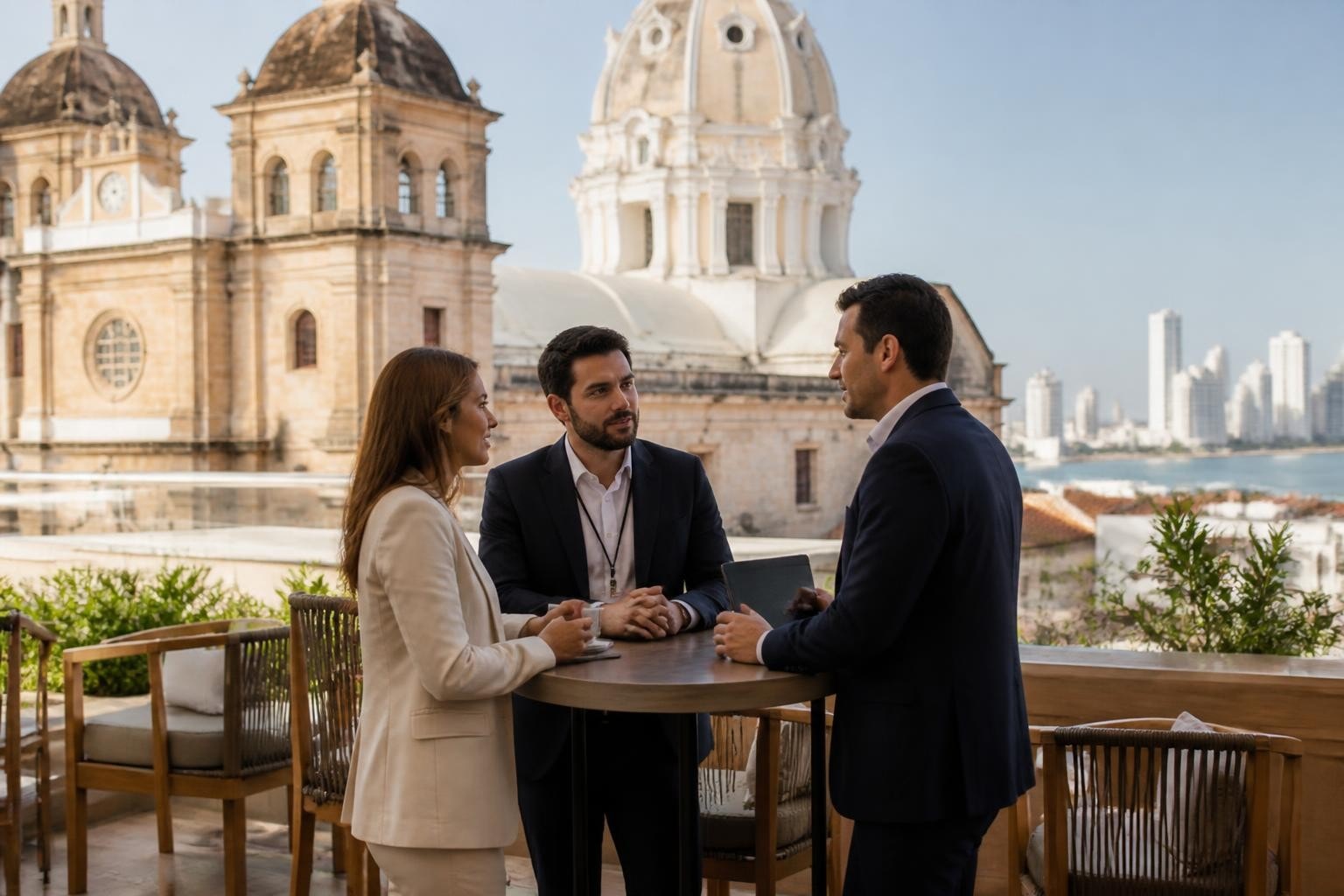
When planning to travel to Cartagena, meeting planners and luxury travel advisors encounter Colombia's most sophisticated destination infrastructure combined with unparalleled cultural authenticity. This Caribbean coastal city has transformed into Latin America's premier destination for MICE events, incentive programs, and ultra-luxury experiences. With over 8,500 hotel rooms across all categories, 45,000 square meters of convention space, and direct airlift from 15 international gateways as of 2026, Cartagena delivers world-class logistics wrapped in UNESCO World Heritage charm. Major hotel chains including Four Seasons, Sofitel, and Hilton have expanded their footprint here, while the Cartagena Convention Bureau reports a 34% increase in international corporate group bookings since 2024, signaling the city's emergence as a serious contender in the global meetings industry.
Strategic Infrastructure for Corporate Events and Conferences
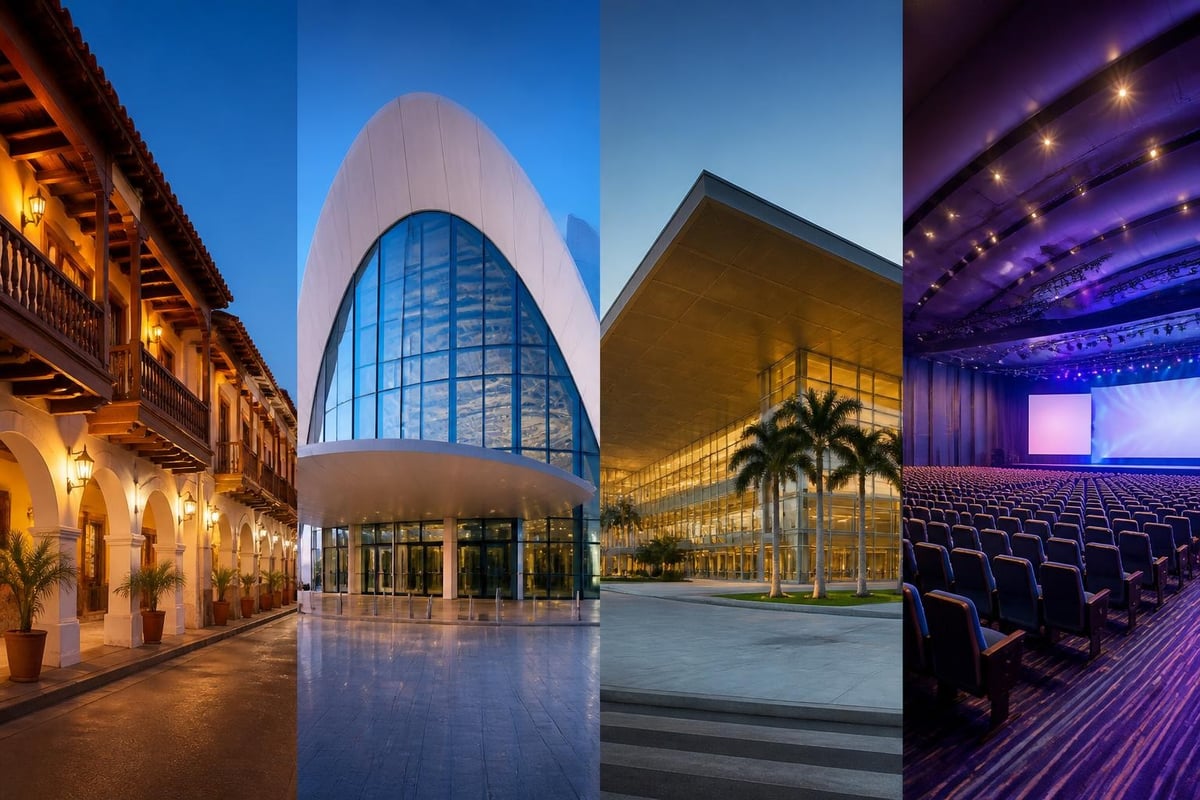
Cartagena's meetings infrastructure has reached institutional-grade standards that rival established convention destinations. The Cartagena Convention Center (Centro de Convenciones Cartagena de Indias Julio Cesar Turbay Ayala) anchors the city's MICE capacity with 34,500 square meters of flexible space, including a 10,000-person capacity auditorium and 22 breakout rooms equipped with fiber-optic connectivity and integrated AV systems.
Venue Capacity and Technical Specifications
The convention landscape extends far beyond a single facility. Multiple properties now offer dedicated conference infrastructure suitable for groups ranging from 50 to 3,000 attendees. The following venues represent the city's top-tier options for corporate programs:
Venue | Maximum Capacity of the largest space | Meeting Rooms | Exhibition Space | Notable Features |
|---|---|---|---|---|
Cartagena Convention Center | 2 000 theater | 22 | 18,000 sqm | Dedicated loading docks, simultaneous translation booths |
Hilton Cartagena | 1000 theater | 18 | 3,200 sqm | Beachfront location, integrated resort amenities |
Las Américas Convention Center | 7000 theater | 12 | 2,800 sqm | Convention Center integrated to Resort, multiple F&B venues |
Estelar Convention Center | 800 theater | 4 | 2,100 sqm | Modern design, marina district location |
ProColombia, the country's official tourism promotion agency, has invested $12 million in destination marketing specifically targeting MICE buyers since 2025. Their data shows Cartagena capturing 41% of Colombia's international association meetings, with average delegate spend reaching $385 per day when factoring in accommodation, F&B, and auxiliary services.
Connectivity and Accessibility Analysis
Air access fundamentally determines a destination's viability for international groups. Rafael Núñez International Airport (CTG) processed 4.8 million passengers in 2025, with 2026 forecasts projecting 5.3 million. Avianca, LATAM, Copa Airlines, and American Airlines operate daily service from Miami, Panama City, Bogotá, and Medellín, with seasonal directs from New York, Toronto, and Madrid.
For incentive groups requiring private aviation, the airport accommodates business jets up to Gulfstream G650 specifications, with dedicated FBO services and expedited customs clearance. Ground transfer times from airport to the historic center average 18 minutes, while the Bocagrande hotel zone sits just 8 minutes from the terminal-a critical logistical advantage when coordinating large group movements.
The cruise terminal at Manga represents another access point, particularly for programs combining land-based meetings with pre- or post-cruise components. Cartagena welcomed 387,000 cruise passengers in 2025 across 142 ship calls, with Royal Caribbean, Carnival, and MSC Cruises featuring the port in their Panama Canal and Southern Caribbean itineraries.
Incentive Travel Programming and Experiential Opportunities
The most compelling aspect of incentive travel to Cartagena lies in the destination's ability to deliver transformative experiences that cannot be replicated elsewhere. According to Nomadic Matt's comprehensive travel guide, the city's blend of history, gastronomy, and Caribbean culture creates an authentic backdrop that resonates with high-performing teams seeking meaningful rewards.
Exclusive Access Experiences for VIP Groups
Destinexpo DMC has pioneered several exclusive access programs that leverage deep local relationships to create after-hours and behind-the-scenes experiences. When you travel to Cartagena with incentive programs, participants can access the walled city's most iconic locations outside public hours, including private concerts in Plaza de Santo Domingo, exclusive dinners inside the Palace of the Inquisition, and dawn photography sessions at Las Bóvedas before vendors arrive.
Private haciendas in the surrounding Bolívar department offer plantation experiences focused on cacao, tropical fruit cultivation, and traditional Colombian country life. These properties, some dating to the 17th century, provide authentic cultural immersion while maintaining luxury standards with infinity pools, spa services, and gourmet cuisine prepared by trained chefs.
Caribbean island excursions to Rosario Islands and Barú Peninsula deliver the requisite beach component, but sophisticated planners now structure these as private catamaran charters with marine biologists leading snorkeling expeditions, rather than crowded day-trip experiences. Capacity can be controlled, branding integrated, and schedules customized to group preferences.
Team Building Through Cultural Immersion
The city's artisan community provides unique team-building opportunities that connect participants to local culture while developing collaborative skills. Structured programs include:
Colonial cooking workshops led by Palenquera chefs teaching traditional coastal recipes
Salsa and champeta dance sessions with professional instructors and live musicians
Jewelry-making classes using indigenous Zenú techniques and Caribbean coral patterns
Graffiti tours in Getsemaní followed by guided street art creation with local muralists
Coffee and cacao cupping sessions tracing bean-to-bar processes
These experiences score highly on post-program satisfaction surveys because they balance entertainment with education, creating shared memories while respecting cultural authenticity. The Forbes Travel Guide perspective on Cartagena emphasizes how the city's living heritage distinguishes it from beach resort destinations that lack genuine cultural depth.
Luxury Accommodation Portfolio and High-End Positioning
Cartagena's luxury hotel inventory has expanded significantly as international brands recognize the city's potential within the ultra-high-net-worth travel segment. The 2026 luxury landscape includes both historic colonial properties and contemporary beachfront resorts, each offering distinct positioning for different traveler profiles.
Historic Colonial Properties
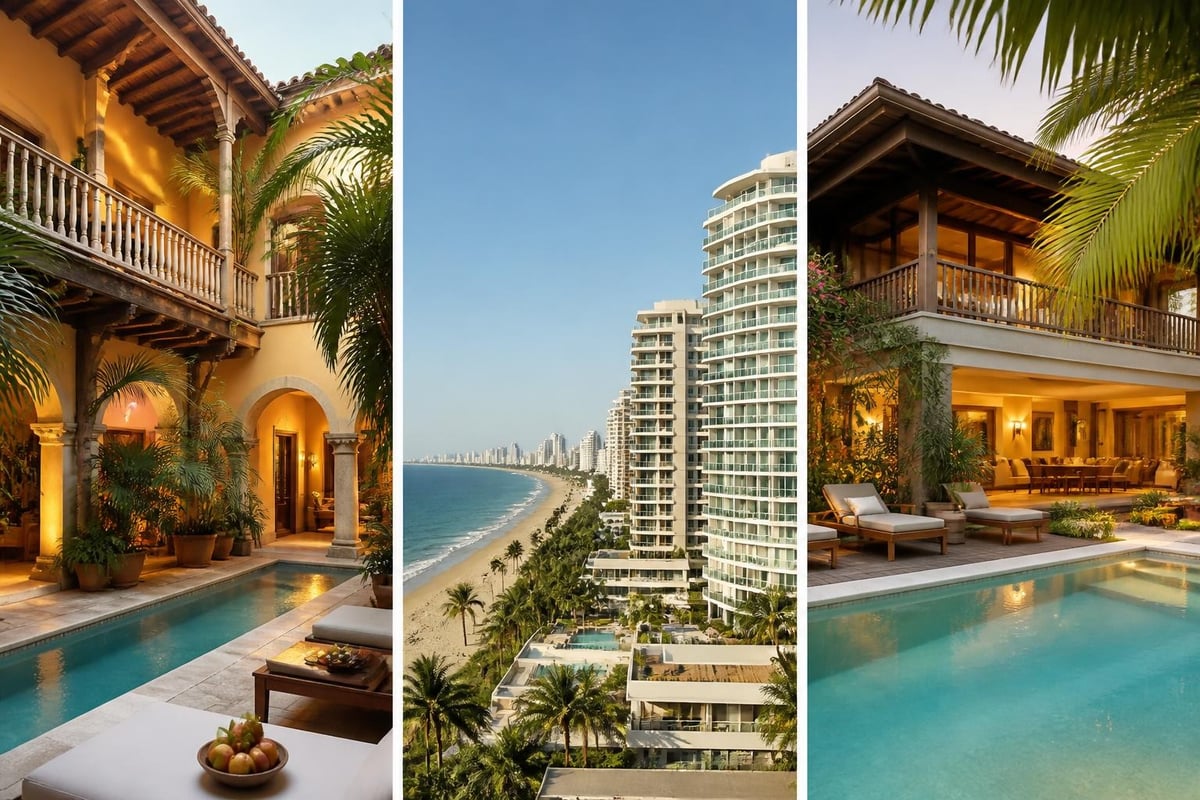
Within the walled city, properties like Sofitel Legend Santa Clara, Tcherassi Hotel + Spa, and Casa San Agustín represent the highest expression of heritage luxury. These boutique properties occupy restored colonial mansions and convents, featuring architecture that dates from the 16th to 18th centuries. Room counts remain intimate (typically 30-80 keys), ensuring personalized service ratios of 3:1 or higher.
The appeal to luxury advisors centers on authenticity combined with modern infrastructure. These properties maintain original stone walls, interior courtyards, and period details while incorporating fiber-optic WiFi, climate control, premium bedding, and spa facilities. Nightly rates range from $450 to $1,200 depending on season and suite category, positioning them competitively against luxury products in Charleston, San Miguel de Allende, and other heritage destinations.
Contemporary Beach Resorts
The Bocagrande and Laguito peninsulas host larger resort properties suitable for groups requiring beachfront access and comprehensive amenities. Four Seasons Casa Claver leads this category with 131 rooms, three pools, beach club, and full-service spa. The property caters particularly well to multi-generational incentive programs and corporate retreats requiring both business facilities and leisure options.
Las Américas Global Resort offers the largest single-property capacity with 513 rooms across multiple buildings, making it viable for association conferences and large incentive groups preferring all-inclusive simplicity. The resort's golf course, convention center, and multiple F&B outlets allow groups to remain on-property for full programs when desired.
Gastronomy and Culinary Event Programming
Cartagena's culinary scene has evolved into a genuine attraction, moving beyond traditional Colombian fare to embrace contemporary techniques while honoring Caribbean and indigenous ingredients. This progression creates compelling opportunities for gala dinners, progressive tastings, and culinary team-building experiences.
Michelin-Caliber Dining Venues
While Colombia doesn't yet host Michelin inspections, several Cartagena restaurants operate at international fine-dining standards. Carmen, led by chef Carmen Lomana, presents a 16-course tasting menu incorporating Colombian ingredients through molecular gastronomy techniques. Celele, recently recognized on Latin America's 50 Best Restaurants list, focuses on indigenous Zenú preparations using foraged ingredients from Montes de María.
For planners designing gala events, these venues and their chefs can be contracted for private experiences. Buyout minimums typically range from 30 to 80 guests depending on the property, with per-person costs from $120 to $280 including wine pairings and service charges. The smaller scale ensures quality control while delivering the kind of culinary distinction that resonates with sophisticated attendees.
Market-to-Table Programming
Bazurto Market, the city's central wholesale market, provides an authentic backdrop for culinary team-building. Structured programs begin with chef-led market tours at 6 AM when fishermen deliver the day's catch, followed by hands-on cooking classes preparing Caribbean specialties like pargo frito, cazuela de mariscos, and coconut rice.
These experiences work particularly well for 20-40 person groups and require approximately 4 hours from market departure to final meal service. Investment runs $95-$135 per person depending on venue and menu complexity, representing strong value for the depth of cultural engagement delivered.
Climate Considerations and Optimal Programming Windows
Strategic timing significantly impacts program success when planning to travel to Cartagena. The city experiences a tropical climate with two distinct seasons that influence both cost and experience quality.
Seasonal Analysis for Meeting Planners
Cartagena's dry season extends from December through April, with January through March representing peak demand. During these months, humidity drops to more comfortable levels (65-75%), rainfall becomes minimal, and temperatures average 86-89°F. Hotel rates reach their highest points, with many properties implementing 30-40% premium pricing compared to shoulder months.
May through November represent the green season, characterized by afternoon rain showers but significantly reduced costs and crowds. For meeting planners willing to structure indoor programming during typical 3-5 PM shower periods, these months deliver 25-35% savings on accommodations and 15-20% reductions in venue costs.
Month | Avg Temp (°F) | Rainfall (inches) | Rate Index | Group Demand |
|---|---|---|---|---|
January | 88 | 0.4 | 140 | Very High |
February | 88 | 0.2 | 145 | Very High |
March | 89 | 0.4 | 140 | High |
April | 89 | 2.1 | 115 | Moderate |
May | 89 | 5.9 | 85 | Moderate |
June | 89 | 4.3 | 80 | Low |
September | 89 | 5.1 | 75 | Low |
October | 88 | 7.5 | 80 | Low |
November | 88 | 6.7 | 90 | Moderate |
December | 88 | 2.8 | 120 | High |
October represents the wettest month but also offers the most aggressive negotiating position for groups requiring significant concessions or value-adds. Properties desperate to fill occupancy during this period may include complimentary room upgrades, waived resort fees, or bonus nights at no charge.
Ground Transportation and Logistics Management
Professional DMC expertise becomes invaluable when coordinating transportation logistics for groups ranging from 25 to 500 participants. Cartagena's colonial infrastructure presents both opportunities and constraints that require local knowledge to navigate effectively.
Vehicle Fleet Specifications and Availability
The city's transportation providers maintain modern fleets suitable for corporate groups, including Mercedes-Benz Sprinter vans (14-16 passengers), full-size motor coaches (30 - 40 passengers), and luxury sedans for VIP transfers. GPS tracking, liability insurance, and bilingual driver-guides represent standard offerings from reputable operators.
Colonial center access restrictions prohibit large vehicles in certain zones during daylight hours, necessitating shuttle coordination using smaller vehicles or timed entries during permitted windows. Walking components become inevitable for walled city programming, requiring advance communication regarding appropriate footwear and physical requirements.
For programs incorporating multiple venues across a single day, staging vehicles becomes critical. Professional DMCs pre-position transportation to minimize participant wait times while managing driver hour regulations and parking limitations. This invisible coordination distinguishes seamless programs from those plagued by delays and confusion.
Airport VIP Services and Meet-Assist
For groups arriving on charters or private aviation, FBO services at the executive terminal provide discrete screening, comfortable holding areas, and direct vehicle access. These services prove particularly valuable when managing C-suite executives, board members, or other high-profile participants who expect efficiency and privacy throughout the arrival process.
Safety Protocols and Risk Management
Corporate duty-of-care obligations and luxury traveler expectations both demand comprehensive safety protocols. Cartagena maintains strong security infrastructure, but professional planners implement additional layers appropriate to group profiles and program components.
Current Security Environment
According to data from the U.S. State Department and international security consultancies, Cartagena rates as one of Colombia's safest cities for international visitors. The historic center maintains a visible security presence including tourism police, private security personnel, and monitored CCTV systems. Violent crime against tourists remains statistically rare, with petty theft representing the primary concern.
Professional DMCs implement standard protocols including:
Vetted vendor relationships with transportation, venues, and activity providers maintaining insurance and safety certifications
Emergency contact systems providing 24/7 access to English-speaking coordinators
Medical resources including relationships with private clinics, English-speaking physicians, and medical evacuation services
Secure communication through dedicated WhatsApp groups or mobile apps for real-time updates
Route planning that avoids higher-risk neighborhoods while maximizing efficient transit
For insurance purposes, groups should verify that their DMC maintains comprehensive general liability coverage of at least $2 million, professional liability insurance, and workers compensation for all staff. These specifications align with RFP requirements from major corporations and meeting planning agencies.
Sustainability Initiatives and Responsible Tourism
Corporate social responsibility considerations increasingly influence destination selection, particularly among organizations with formal ESG commitments. Travel to Cartagena offers several opportunities to integrate sustainable practices and community benefit into program design.
Community-Based Tourism Components
Several vetted community tourism initiatives provide authentic engagement while directing economic benefit to historically marginalized populations. The Palenque de San Basilio experience, located 90 minutes from the city, connects participants with Afro-Colombian descendants of escaped enslaved peoples who established the first free town in the Americas.
Programs include traditional drum workshops, oral history presentations, and meals prepared by community members using ancestral recipes. These experiences satisfy both cultural objectives and ESG reporting requirements, as payments flow directly to community cooperatives rather than intermediary tour operators.
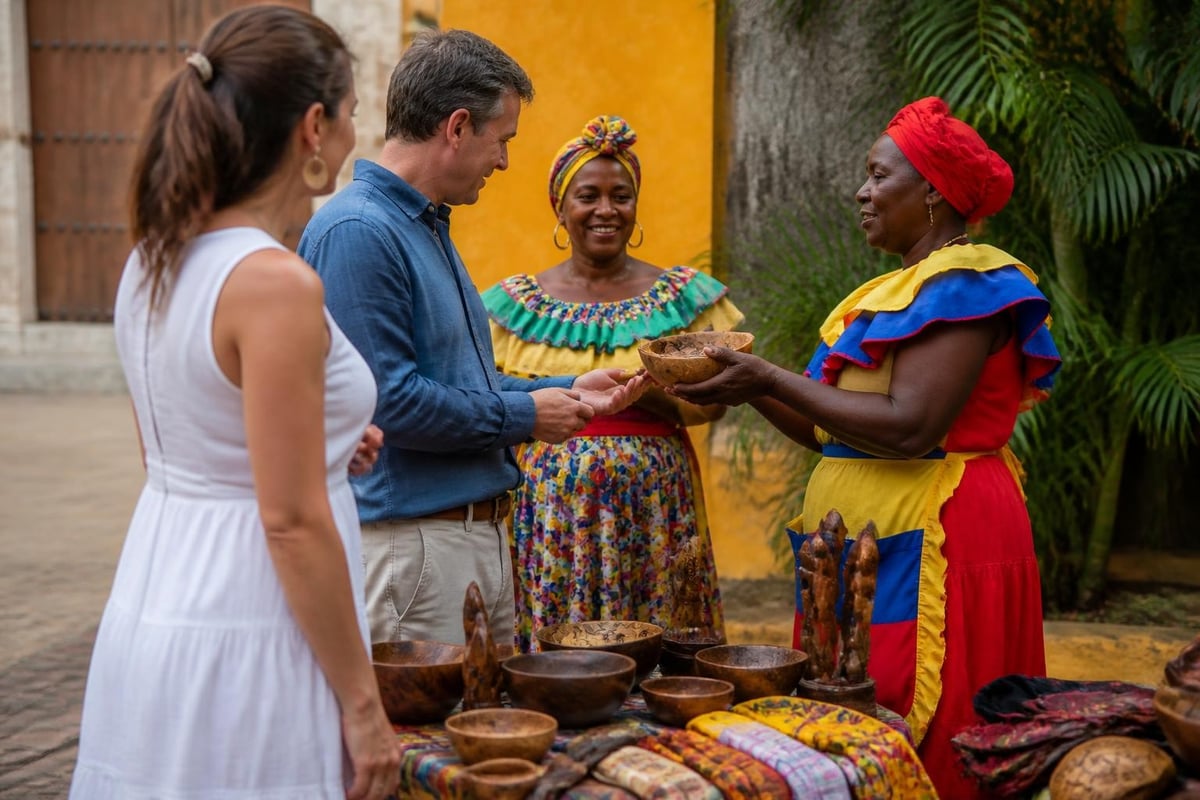
The Getsemaní neighborhood offers similar opportunities through street art cooperatives, where graffiti artists who transformed the area explain their work while incorporating participants in guided mural creation. These programs employ local youth, support small businesses, and preserve cultural heritage while delivering the kind of authentic experiences luxury travelers increasingly demand.
Environmental Impact Reduction
Coastal and marine environments face particular pressure from tourism development. Responsible DMCs now incorporate environmental considerations including:
Marine park entrance fees that fund coral restoration and conservation
Reef-safe sunscreen distribution and education for beach programs
Plastic-free event production using compostable serviceware
Carbon offset programs for group transportation and air travel
Food waste reduction through precise catering counts and donation partnerships
These elements appeal particularly to technology companies, pharmaceutical corporations, and other industries where participants expect environmental consciousness as baseline rather than premium offering. Integration adds minimal cost (typically 3-7% of program budget) while significantly enhancing brand alignment and participant satisfaction.
Trade Show and Exhibition Infrastructure
Beyond traditional meetings, Cartagena serves as an emerging hub for trade shows, industry exhibitions, and B2B events within Latin America. The combination of convention infrastructure, hotel inventory, and regional accessibility positions the city for growth in this specialized segment.
Exhibition Hall Specifications
The Cartagena Convention Center's exhibition halls provide 18,000 square meters of column-free space with 8-meter ceiling heights, suitable for booth construction and equipment displays. Power distribution includes 440-volt three-phase capacity, with fiber-optic internet infrastructure supporting live demonstrations and connected exhibits.
Loading dock specifications accommodate container delivery and large equipment movement, with five hydraulic lifts rated to 3,000 kg each. Rigging points throughout the ceiling structure support hanging displays, banners, and lighting installations up to specified load limits.
For specialized industries requiring controlled environments, the facility provides dedicated HVAC zones maintaining temperature and humidity parameters essential for sensitive equipment or products. These technical capabilities meet requirements for pharmaceutical, technology, and industrial exhibitions that demand precise environmental controls.
Destination Appeal for International Exhibitors
The detailed travel planning resources highlight Cartagena's positioning as a natural hub for Pan-American events drawing participants from North America, Central America, and northern South America. Flight times from major commercial centers remain reasonable: Miami (2.5 hours), Panama City (1.5 hours), Bogotá (1 hour), and Lima (3 hours).
This geographical advantage, combined with Colombia's emergence as Latin America's fourth-largest economy, attracts industry associations and commercial organizers seeking destinations that balance business infrastructure with leisure appeal. Exhibition attendees increasingly expect destinations offering quality post-show experiences, making Cartagena's cultural and culinary assets relevant competitive advantages.
Luxury Travel Advisor Considerations
For advisors specializing in ultra-high-net-worth clientele, understanding Cartagena's luxury ecosystem requires familiarity with properties, experiences, and service standards that meet exacting expectations. The destination delivers authenticity that manufactured luxury resorts cannot replicate, but requires expert curation to ensure seamless execution.
Ultra-Luxury Accommodation Options
Beyond traditional hotels, Cartagena offers several private villa options suitable for small groups or families seeking exclusive accommodations. Properties like Casa Pestagua and Casa 1537 provide whole-property rentals with dedicated staff including private chefs, butlers, and concierge services. These villas accommodate 8-16 guests across multiple suites, with amenities including private pools, rooftop terraces, and wine cellars.
Nightly rates range from $2,500 to $8,000 depending on property, season, and service level, positioning them competitively against luxury villas in Punta Mita, Tuscany, or other established high-end markets. The difference lies in exclusivity-many travelers seeking luxury have already experienced traditional resort destinations and now seek authentic cultural environments that cannot be replicated elsewhere.
Bespoke Experience Design
Luxury travelers expect personalization extending beyond standard concierge capabilities. This requires DMC partnerships with deep local access and creative expertise. Examples of recently executed ultra-luxury experiences include private yacht expeditions to secluded beaches, helicopter transfers to haciendas for private polo matches, and after-hours access to museums for private viewings with curators.
These experiences cannot be purchased through online booking platforms or arranged by hotel concierges unfamiliar with specialized vendors. They require relationships cultivated over years, permissions negotiated with property owners and authorities, and logistical coordination managing multiple moving parts simultaneously. As resources from Besabine's comprehensive travel guide confirm, authentic luxury in Cartagena demands local expertise rather than standardized packages.
Transportation Infrastructure Improvements
The $180 million airport modernization program, initiated in 2025, includes terminal expansion adding 12 additional gates, upgraded immigration facilities, and enhanced retail/dining options. Completion is scheduled for late 2027, with capacity increasing from current levels of 5.3 million annual passengers to 8 million.
A dedicated convention district shuttle system launched in early 2026, providing complimentary transportation between hotels, the convention center, and the historic center. This public-private partnership reduces congestion while improving connectivity for meeting attendees not requiring private transportation.
Practical Considerations for First-Time Planners
Meeting professionals and luxury advisors coordinating their first Cartagena programs benefit from understanding practical considerations that impact execution and participant satisfaction.
Site Inspection Priorities
Pre-program site inspections should occur during similar seasonal conditions to the planned event, as the experience of inspecting during dry season while programming during green season can create unrealistic expectations. Priority inspection elements include:
Actual meeting room setup rather than empty space, observing sight lines, acoustics, and lighting
Loading dock access and back-of-house logistics if staging complex productions
Kitchen facilities if planning seated dinners exceeding 200 guests
WiFi stress testing with multiple devices simultaneously, not single-connection demos
Transportation routing during peak traffic hours to understand realistic transfer times
Backup venue options in case of weather-related changes to outdoor programming
Professional DMCs arrange comprehensive inspections addressing these elements while managing relationships that provide honest assessments rather than sales presentations. This transparency proves invaluable when setting realistic client expectations and avoiding disappointing surprises during program execution.
Vendor Vetting and Quality Control
Not all local suppliers maintain standards suitable for corporate or luxury clientele. Professional DMCs distinguish themselves through vendor qualification processes including site inspections, reference checking, insurance verification, and ongoing performance monitoring. When evaluating potential DMC partners, request specific examples of quality control protocols, crisis management procedures, and vendor backup systems.
Red flags include DMCs offering unrealistically low pricing (indicating corner-cutting or underpaying vendors), those unwilling to provide client references, or operators lacking comprehensive insurance coverage. The modest premium charged by established, professional DMCs (typically 15-20% over bare vendor costs) delivers exponential value through risk mitigation, seamless coordination, and problem resolution that protects both planner reputation and program success.
Cartagena's emergence as a world-class MICE and luxury destination reflects strategic infrastructure investment, expanding air connectivity, and genuine cultural authenticity that manufactured resort destinations cannot replicate. For meeting planners and luxury travel advisors seeking destinations that deliver both business functionality and transformative experiences, the city offers compelling value across incentive programs, corporate events, and bespoke luxury journeys. Whether coordinating a 500-person conference, rewarding top performers through exclusive cultural access, or designing ultra-luxury itineraries for discerning travelers, success requires partnership with experts who maintain the relationships, local knowledge, and logistical mastery to execute flawlessly. Destinexpo DMC specializes in exactly this expertise, with proven capabilities across Colombia's most compelling destinations and deep resources specific to Cartagena's unique opportunities and requirements.